Skip to content


Small Kitchen Organization: Refresh Your Kitchen & Dining for 2026
Why Refresh Now
A 2026 refresh doesn't need a full remodel. The biggest impact often comes from upgrading the spaces you use most, especially the kitchen and dining area. You use them every day for cooking, snacking, gathering, and dropping items. An anytime reset works because clutter builds fastest in the kitchen, and comfort matters most in the dining area.
The goal is simple:
- A smoother prep-and-serve flow so cooking feels easier
- A clearer countertop so the room looks calmer instantly
- A more inviting space so family and friends naturally linger
Good news: small updates can make a big difference. One smart storage piece, better seating, and a few finishing touches can make your home feel more organized and welcoming, without a major renovation.
Small Updates, Big Difference
Think of your refresh in three stages. This keeps your choices practical and prevents buying random items that don't solve the real issue.
1.Identify the problem
Is the pain point a crowded countertop? Not enough prep space? No place to sit comfortably? A dining area that feels unused?
2.Add the core furniture that fixes it
This is where the biggest change happens: one key piece can reset the whole zone.
3.Use small touches to bring it together
Once function is solved, you can make the space feel intentional without adding clutter.
This is effective small kitchen organization: fix the overflow, then make it easy to keep up. Now is a great time to build a practical kitchen organization checklist, based on better furniture and clearer routines, not just moving items between cabinets.
Kitchen Area
The kitchen is where you work, and countertops fill up first. When landing space is limited, everything ends up on the counter. The goal is not perfection, but giving high-use items a home and moving the rest off the work surface. A clearer counter makes kitchen cabinet organization and daily cleaning easier, so you cook more and the space feels calmer.
Core Pieces
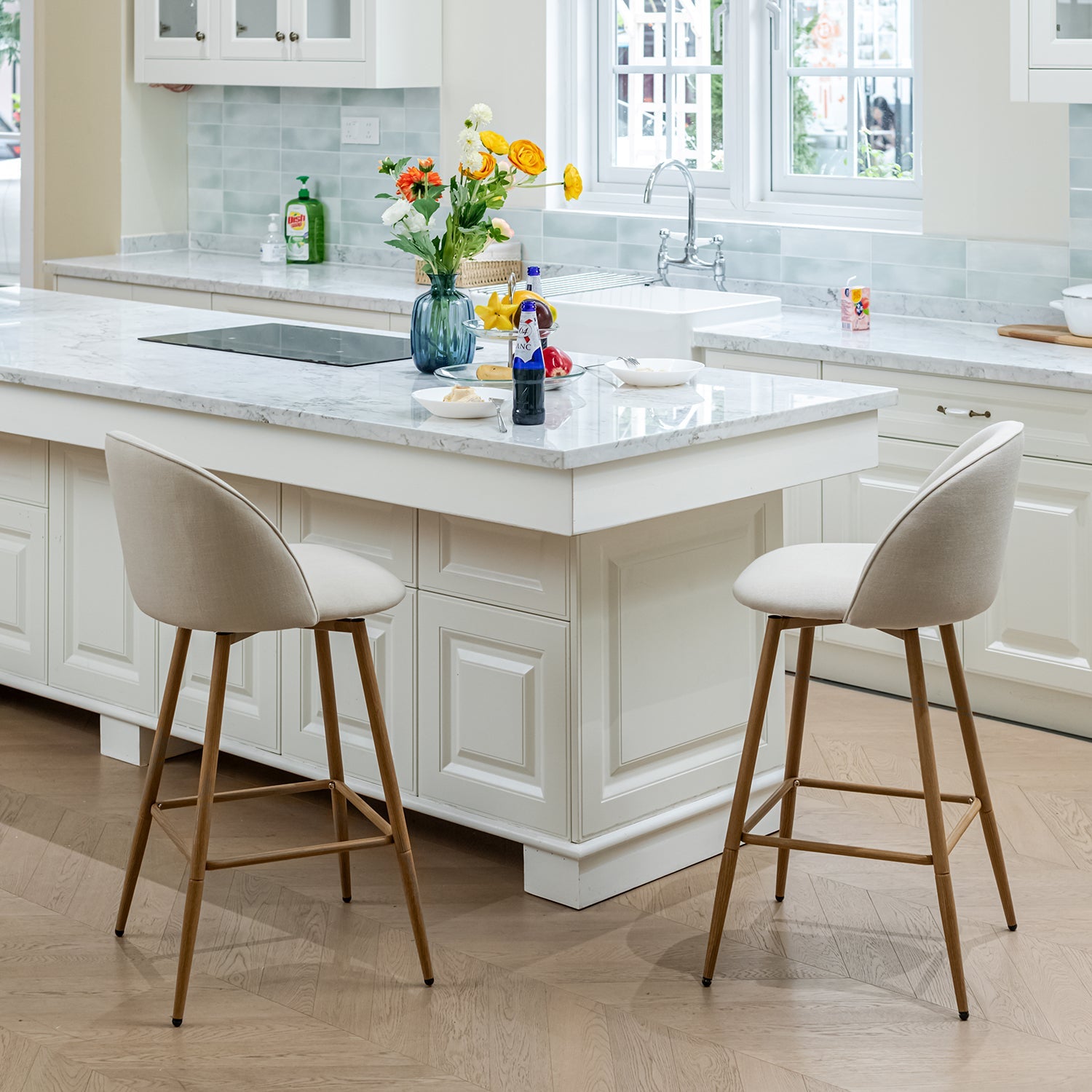
1.Kitchen Island

A kitchen island is a powerful reset tool. It improves workflow with more prep space, more storage, and a spot for quick meals. For smaller homes, choose a kitchen island for small kitchen layouts that keeps walkways clear.
What to look for:
- A top surface that's large enough for prep, not just decoration
- Closed storage to hide clutter
- A design that supports multi-use: prep, serve, sort, stage groceries
2.Bar Stools

Adding stools turns an island into a stay-and-chat spot for breakfast, quick laptop work, homework help, or keeping the cook company. It's a simple upgrade that supports more connection at home in 2026.
Use stools that match your daily reality:
- Counter height bar stools that fit your island height properly
- Bar stools for kitchen island that are easy to slide in and out
- Space-saving bar stools if you need to keep walkways open
- Comfortable bar stools for small kitchens if people actually sit there often
3.Rolling Kitchen Cart

A rolling kitchen cart or kitchen cart with storage is an underrated fix for countertop overflow. It moves beverage items, mugs, everyday bottles, or entertaining essentials away from prep space, while still keeping them easy to reach. If you're looking for space-saving storage solutions, this is one of the simplest moves with an immediate visual payoff.
Use a cart as a daily-use station, such as:
- Coffee/tea station
- Water and kids' cups station
- Snack and grab-and-go station
- Entertaining station (glasses, napkins, serving tools)
Small Touches
1.Reduce Countertop Clutter
A practical rule: keep only true daily-use items on the counter. Everything else needs a better home - inside cabinets, in the island, or on a cart.
This is where small kitchen organization becomes easy to maintain: you're not relying on willpower; you're relying on better placement. When you consistently declutter kitchen surfaces, you'll also notice cleaning becomes faster (and you're less likely to feel stressed when guests arrive).
2.Light and Clean Zones
Your kitchen should look and feel like a usable work zone, not a storage area. Consider:
- A brighter task light near your main prep spot
- A simple reset routine each night (wipe and clear one zone)
- Grouping items by task to support smoother movement
If you're building a repeatable kitchen organization checklist, include tiny daily actions that keep clutter from building up, because maintenance matters more than a one-time deep clean.
Dining Area
Your dining area determines whether people want to stay. It supports daily routines, and a cramped or cluttered setup quickly becomes unused and collects more mess.
For a 2026 refresh, treat it as a system of table, chairs, and storage. Storage furniture for kitchen and dining helps keep the table from becoming a drop zone for everything.
Core Furniture
1.Dining Tables

Start with fit. Use a round table for tight pathways or a rectangular table for long rooms. Leave enough clearance for chairs to slide out without hitting walls or cabinets. This is key to small dining room ideas that feel easy in real life.
2.Dining Chairs

Chairs decide how often your dining area gets used. If chairs are stiff, wobbly, hard to wipe down, or visually heavy, people avoid sitting.
Prioritize:
- Supportive seating for everyday comfort
- Easy-care materials that fit your lifestyle
- A size that doesn't crowd the table or walkway
3.Buffet/Sideboard

A buffet or sideboard is the dining area's reset hero. It creates a home for:
- Placemats, napkins, candles
- Serving pieces
- Small appliances you don't want on the counter
- Dining items that otherwise land on the table
This is one of the best ways to keep the dining surface clear and visually calm, especially when you're focusing on space-saving storage solutions that support daily routines, not just looks.
Soft Furnishings and Ambience
1.Keep the table setup simple and practical
Use a runner, easy-to-wipe placemats, and one small centerpiece like flowers or a fruit bowl. The goal is to make the space feel ready, so sitting down feels natural.
2.Lighting That Encourages Staying
Warm lighting makes a big difference. Use a pendant over the table or a warm lamp nearby. It creates a calm zone that invites people to sit, eat, talk, and pause.
If space is limited, try dining nook ideas. A small table, comfortable chairs, and soft light in a cozy corner can become the most-used spot at home.
Shopping Tips
If you want your refresh to feel obvious (and not like you just bought more stuff), use these rules:
1.Start with the biggest pain point
If the counter is always full, get an island or cart first. If nobody wants to sit, upgrade chairs first.
2.Keep style consistent
A simple palette - wood tones and neutrals - reduces visual noise. Consistency helps spaces feel calmer.
3. Balance function and footprint
Look for multi-purpose pieces that don't block your flow. This is the heart of good small kitchen organization: your furniture should support movement, not interrupt it.
4.Measure first
Before buying, measure:
- Walkways around the island/table
- Chair pull-out space
- Doorway and delivery path
5.Use a repeatable list
A strong kitchen organization checklist can include:
- What stays on the counter (daily essentials only)
- What gets stored near prep vs near dining
- What gets moved into carts/sideboards
- A quick weekly reset step
That checklist keeps your refresh from fading after two weeks.
A Practical Reset for 2026
A refresh that lasts follows a simple sequence:
- Fill the functional gap (Kitchen) with the right prep and storage support
- Build comfort (Dining) so the space gets used daily
- Bring it together with small, consistent finishing touches
If you’re ready to shop by zone, start here:
- Kitchen: Kitchen Island > Bar Stools > Bar Cart >
- Dining: Dining Tables > Dining Set > Buffet & Sideboard >
Ready to Start?
Want an easier plan to follow week by week? Explore the categories above and build your own kitchen organization checklist based on what your space actually needs. Then pick one key item to start - an island, a cart, or better chairs; and let the rest become simpler.
Question for you: Which problem do you want to solve first - countertop crowding, or a dining area that doesn't feel comfortable enough to sit and stay?