Skip to content


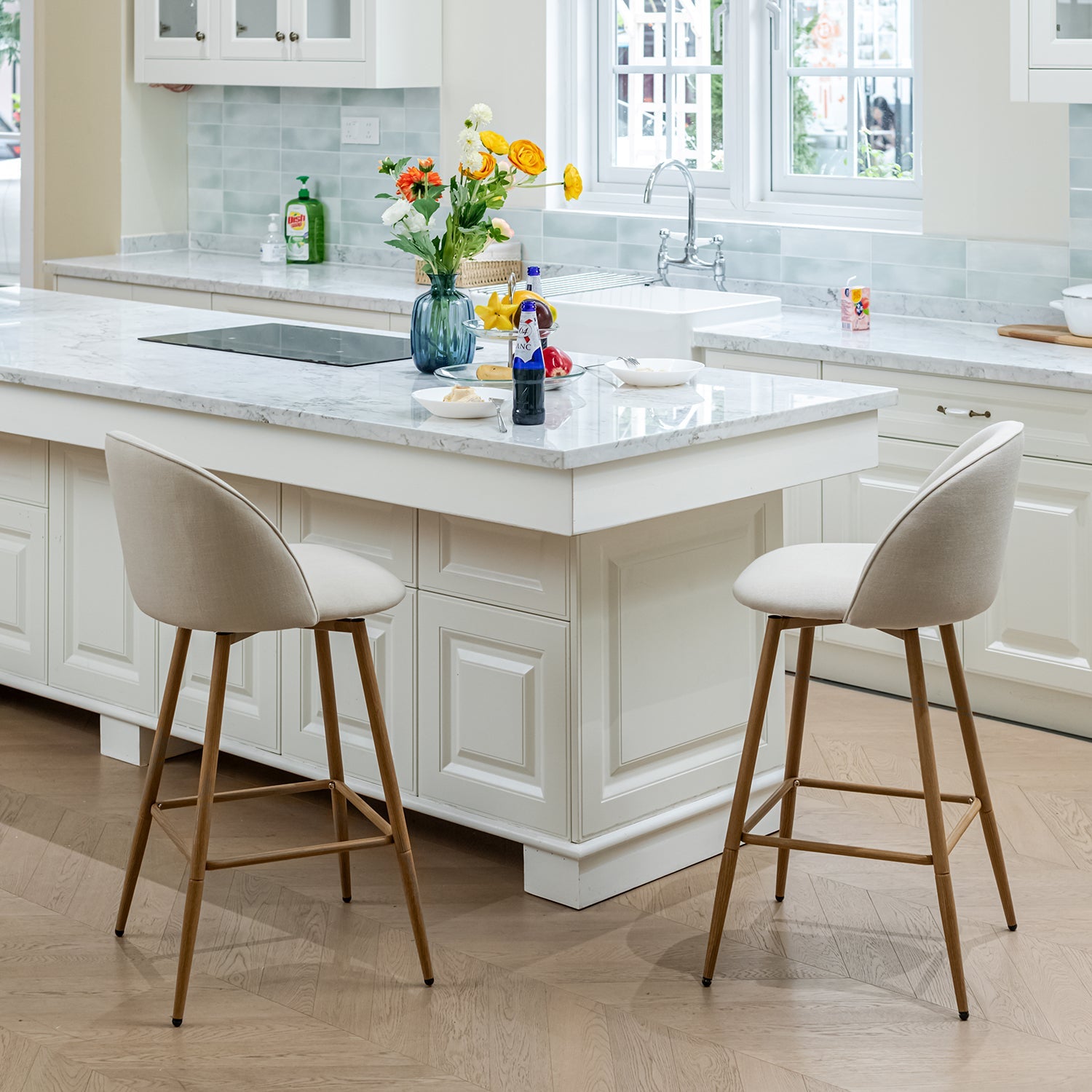
Counter stools are one of the most-used pieces of furniture in any kitchen. If you have a kitchen island, your stools affect how comfortable meals feel, how easily people gather and chat, and how the whole space looks. Choosing the wrong ones can mean stools that are too tall, too wide, or just don’t fit the vibe of your kitchen.
The good news is that picking the right counter stools for kitchen island use isn’t complicated once you know what to look for. This guide walks through the five things that matter most: height, spacing, features, materials, and style. Whether you’re furnishing a brand new kitchen or replacing stools that never felt quite right, getting these five things sorted will save you time, money, and the hassle of returns.
Step 1: Get the Height Right
Counter height stools are designed specifically for counters that are around 36 inches tall. These stools are typically 24 to 27 inches in height, making them perfect for kitchen islands, bars, or counters. If you're wondering what is counter height stools exactly, they are ideal for use where you need comfortable and elevated seating for casual dining or entertaining.
This is the most important step, and the one people get wrong most often. The key is matching your stool height to your counter height. There are two standard sizes:

Counter height: If your countertop is around 36 inches tall (the standard for most kitchen islands), you need stools with a seat height of 24 to 27 inches. These are called counter height stools and are the most common choice for kitchen island seating.
Bar height: If your countertop is taller, around 42 inches (common for raised bar sections), you need stools with a seat height of 28 to 32 inches. These are called bar height stools.
A simple rule: measure your countertop from the floor, then subtract 9 to 12 inches. That gives you the ideal seat height. This gap leaves enough room for your legs to sit comfortably underneath.
One common mistake is confusing bar stool vs counter stool. They look similar, but the height difference is significant. A bar height stool at a counter height island will leave your knees pressed against the underside of the counter. Always check the seat height measurement before buying, not the overall stool height.
Step 2: Measure Your Space
Before deciding how many stools to buy, you need to measure two things: the usable seating length of your island, and the width of each stool you’re considering.
For comfortable spacing, leave about 6 to 8 inches between each stool. Also leave about 6 inches of clearance at each end of the island. Here’s a quick way to calculate:
- Measure the total seating length of your island (the side where stools will go)
- Subtract 12 inches (6 inches for each end)
- Divide the remaining length by the stool width plus 6 to 8 inches
For example, if your island has 60 inches of seating space, you can comfortably fit 3 armless stools (around 16 to 18 inches wide each) or 2 stools with arms (around 20 to 22 inches wide each).

Also check your island’s overhang. The countertop needs to extend at least 8 to 10 inches beyond the base to give your knees enough room. If your island has little or no overhang, stools won’t be comfortable regardless of the height. This is a detail many people overlook until the stools arrive and they realize there’s no legroom.
Step 3: Decide on Back, Arms, and Swivel
These three features affect both comfort and how much space each stool takes up. Think about how your kitchen island is actually used before choosing.

With back vs. backless: Counter stools with backs are more comfortable for longer meals, working on a laptop, or helping kids with homework at the island. Backless stools are more compact and can tuck completely under the counter when not in use, keeping the kitchen looking cleaner. If your kitchen is on the smaller side, backless stools usually make the space feel more open.
Arms vs. armless: Armrests add comfort, but they also add width. Each arm adds roughly 2 to 3 inches per side, which means you may fit one fewer stool at your island. Armless stools are easier to slide in and out, which matters in busy kitchens where people are constantly getting up. If your island is under 60 inches long, armless is usually the safer choice.
Swivel vs. fixed: Swivel counter stools are great for open-plan kitchens where the island faces the living area. You can turn to join a conversation or watch TV without awkwardly twisting in your seat. Fixed stools are more stable and usually cost less. If you have young kids, fixed is generally safer since children tend to spin on swivel stools.
Step 4: Choose the Right Material
The material affects how your stools look, how they feel, and how easy they are to maintain. Here are the most common options for kitchen use.
Wood: Warm, classic, and works with a wide range of kitchen styles from farmhouse to Scandinavian to mid-century. Solid wood stools are durable but can scratch over time. They pair especially well with wood or stone countertops.
Metal: Sturdy, easy to clean, and fits modern or industrial style kitchens. Metal frames can feel cold and hard on their own, but many designs combine a metal frame with a wood or upholstered seat to balance durability with comfort.
Upholstered: The most comfortable option, especially for stools that get used for longer periods. The downside is that fabric can stain in a kitchen environment. If you go with an upholstered stool, look for performance fabric or faux leather that’s easy to wipe clean. Avoid light-colored linen or cotton near a cooking area.
Mixed materials: Combining materials is a popular choice in 2025 and 2026. Think metal legs with a wood seat, or wood legs with a fabric cushion. These blended designs are versatile enough to fit into most kitchen styles without looking out of place. They also tend to balance durability with comfort better than single-material options.
Step 5: Match Your Kitchen Style
Once you’ve nailed down the practical details, the last step is making sure your stools match the overall look of your kitchen. Here are some common style pairings.
Modern or minimalist: Clean lines, slim profiles, single-color finishes. Metal or slim wood legs. Avoid heavy ornamentation or busy patterns.
Farmhouse or rustic: Solid wood construction, visible grain, warm tones. Stools with a slightly weathered or natural finish fit this look well. Cross-back and spindle-back designs are classic choices for this style.
Mid-century: Curved backrests, tapered wood legs, retro silhouettes. This style works best with wood or molded seat designs.
Industrial: Metal frames, raw or matte finishes, minimal padding. A metal stool with a wood seat is the classic industrial combination.
If you’re not sure what style to go for, a good rule of thumb is to match the stool legs to your kitchen’s existing hardware or fixtures. For example, if your kitchen has brass cabinet pulls, stools with brass-toned metal legs will tie the room together.
FAQ
What is the difference between counter height and bar height stools?
Counter height stools have a seat height of 24 to 27 inches, designed for 36-inch countertops. Bar height stools are 28 to 32 inches, designed for 42-inch countertops. Always match the stool height to your counter height, not the other way around.
How many counter stools do I need for my kitchen island?
Measure the usable seating length of your island and allow about 24 inches per stool (including spacing) for armless models, or about 28 to 30 inches for stools with arms. A 60-inch island typically fits 3 armless stools or 2 with arms.
Are counter stools with backs more comfortable?
Yes, for longer sitting sessions they are noticeably more comfortable. Backless stools work fine for quick meals or casual use, and they save space by tucking fully under the counter.
What is the best material for kitchen counter stools?
It depends on your priorities. Wood is warm and versatile. Metal is durable and easy to clean. Upholstered stools are the most comfortable but need stain-resistant fabric in a kitchen setting. Mixed materials offer a good balance of style and function.
Choosing counter stools for kitchen island use comes down to five decisions: get the counter stool height right, measure your space for the correct number of stools, pick the right features (back, arms, swivel), choose a material that fits your kitchen lifestyle, and match the style to your existing decor.
Get these five things right and your stools will feel like they belong in the kitchen, not like an afterthought. A well-chosen set of counter stools can completely change how your kitchen island feels, turning it from an underused countertop into the social center of your home.
Ready to see specific products? Browse our full Bar Stool Collection to find the right fit for your kitchen.